
Single-view
1 view
X-Lens
Real-Time Metric Depth Estimation
with Heterogeneous Cameras
1D-Robotics 2The University of Tokyo 3Soochow University
*Equal Contribution †Project Lead
TL;DR A compact 0.04B feed-forward model that takes a calibrated mix of fisheye and pinhole views and predicts dense metric depth plus a global scale in one pass, running in real time on six-view heterogeneous rigs.
Home
Abstract
One compact model, fisheye and pinhole, one metric space.
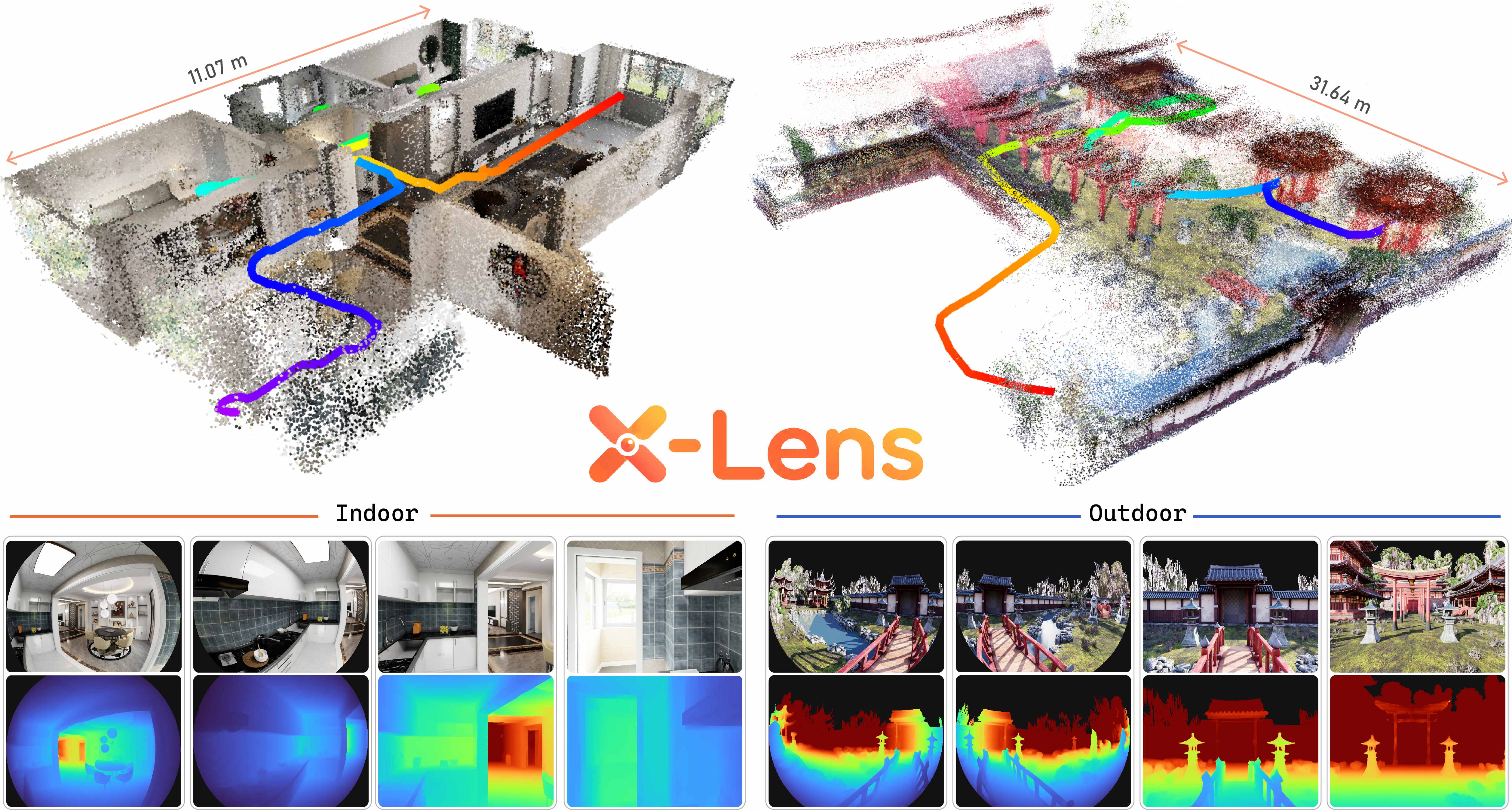
We present X-Lens, a compact feed-forward model for metric depth estimation from a variable number of calibrated fisheye and pinhole views. To support real-time downstream perception, X-Lens is built around a geometry-aware heterogeneous camera formulation with two key components. Learnable calibration tokens provide a coarse alignment between fisheye and pinhole projective spaces, while a Jacobian-parameterized distortion bias injected into cross-attention models local projection changes and promotes cross-camera consistency, enabling robust generalization with only 0.04B parameters and up to 41 FPS. The model predicts dense depth together with a global metric scale, avoiding auxiliary reconstruction targets that increase computation and optimization complexity.
To learn such cross-camera generalization at scale and depth, X-Lens is trained on multiple public datasets and OmniScene, our newly released large-scale synthetic dataset containing approximately 266K synchronized six-view frames, 1.7M individual images, and 103 indoor and outdoor scenes. Extensive experiments on both real-world and synthetic indoor and outdoor datasets demonstrate superior heterogeneous-camera metric depth accuracy, reducing AbsRel by 25.4% on OmniScene-Full over the strongest baseline while using 88.9% fewer parameters, with competitive performance on conventional fisheye-only and pinhole-only settings.
Quantitative Results
A balanced view of accuracy, efficiency, and real-time performance across three benchmarks.
Multi-view
2 views
ETH3D
Heterogeneous
6 views
OmniScene-Full
How to read Each axis is normalized relative to the best result in its table; farther from the center is better. Hover a model line or tap its legend to isolate it.
Qualitative Comparison
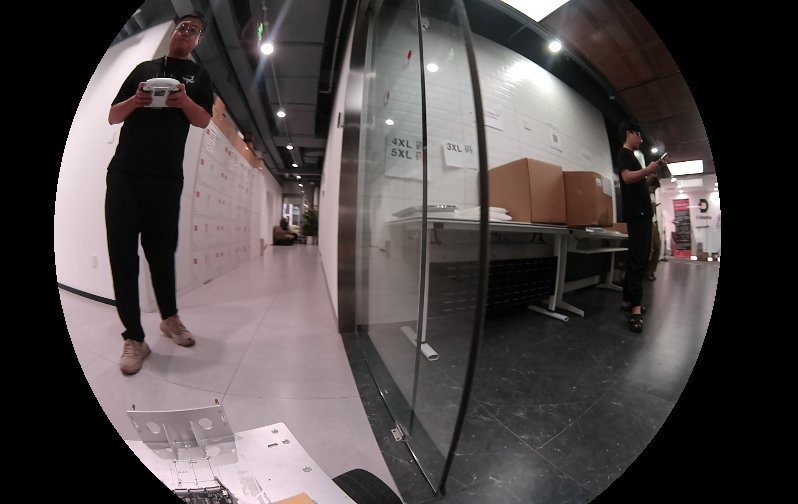
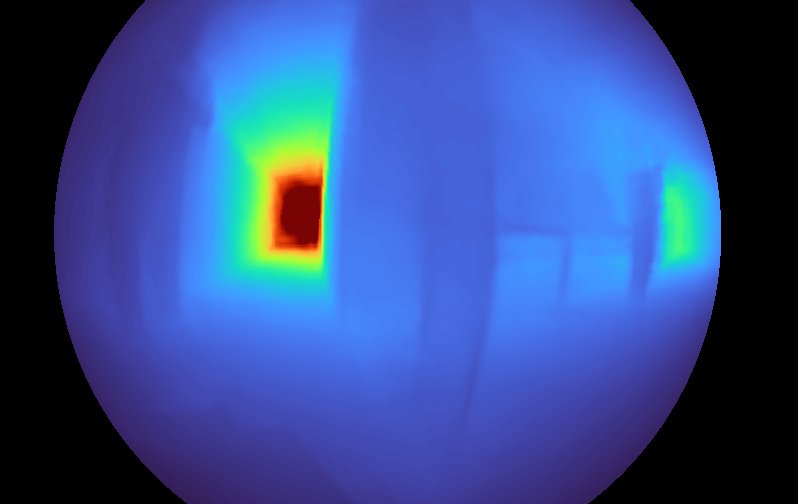
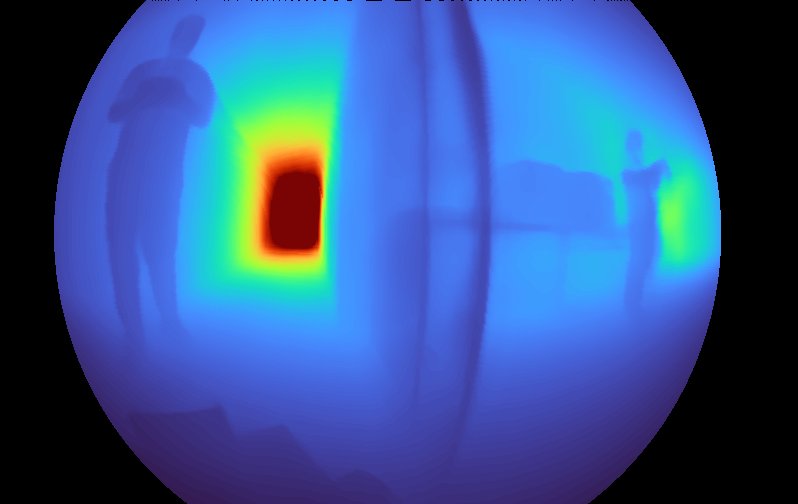
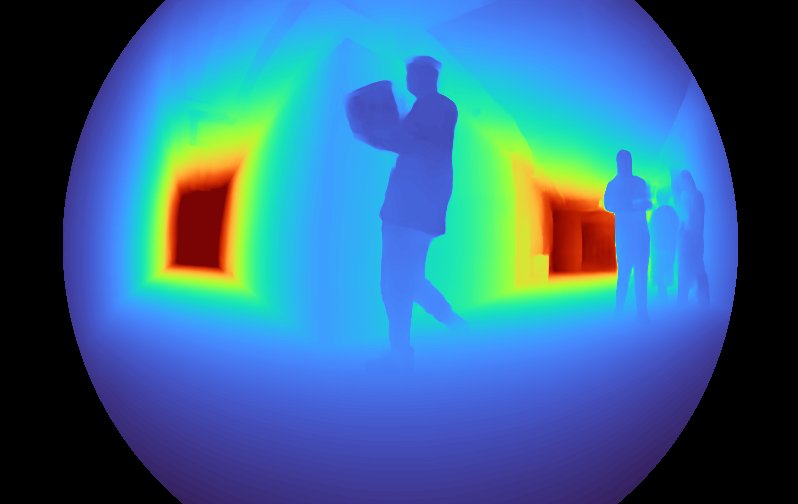
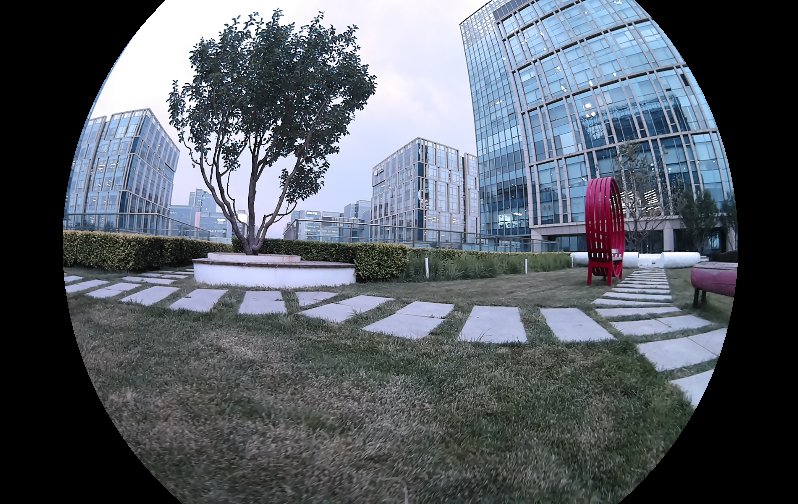
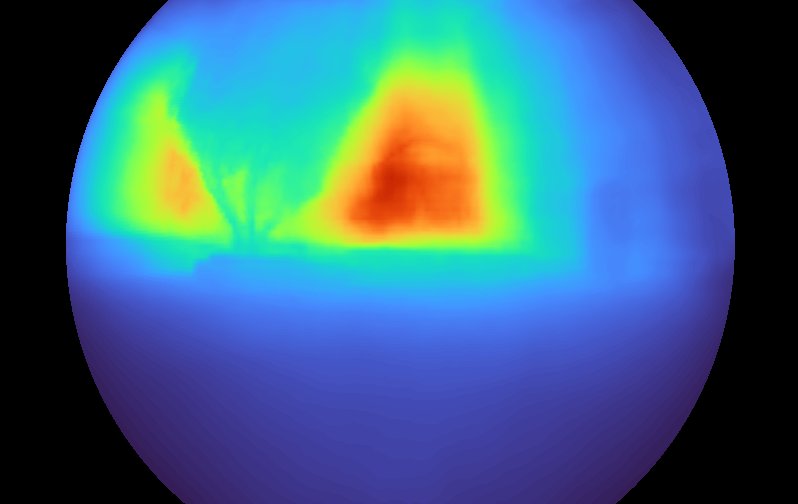
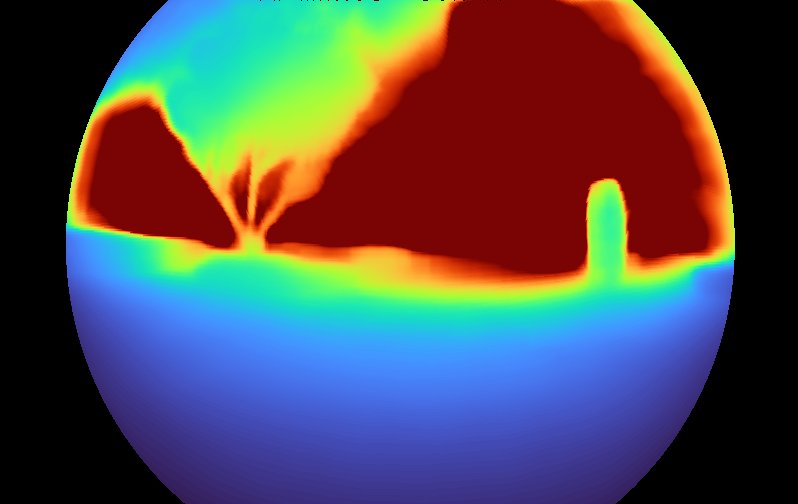
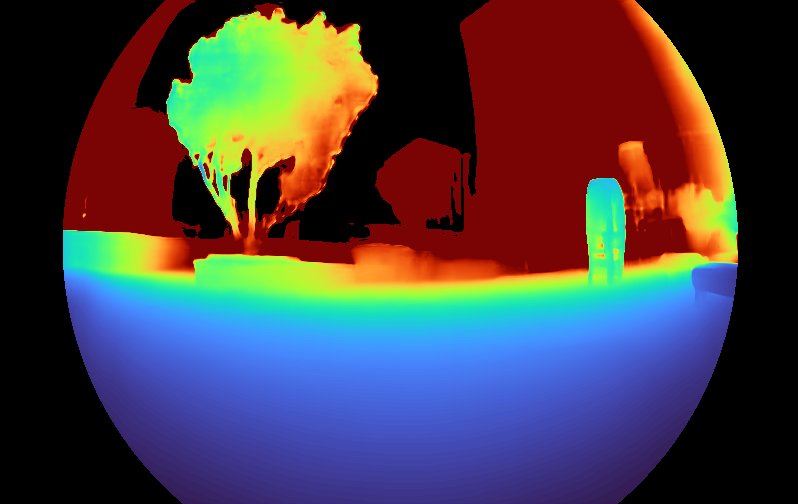
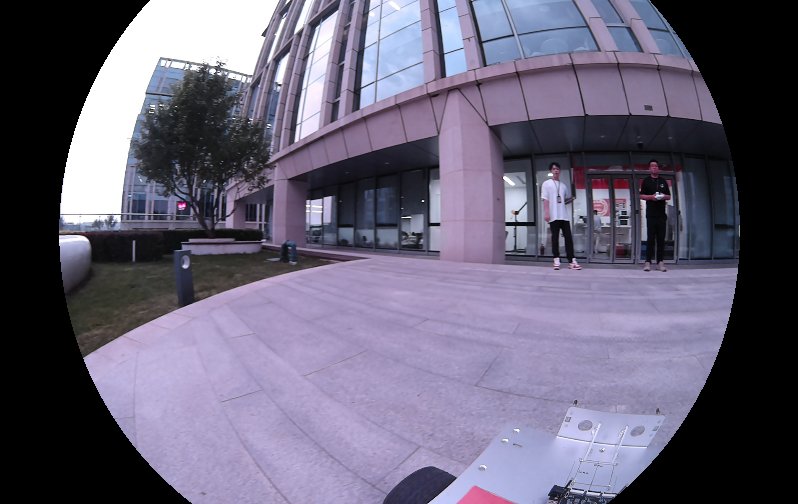
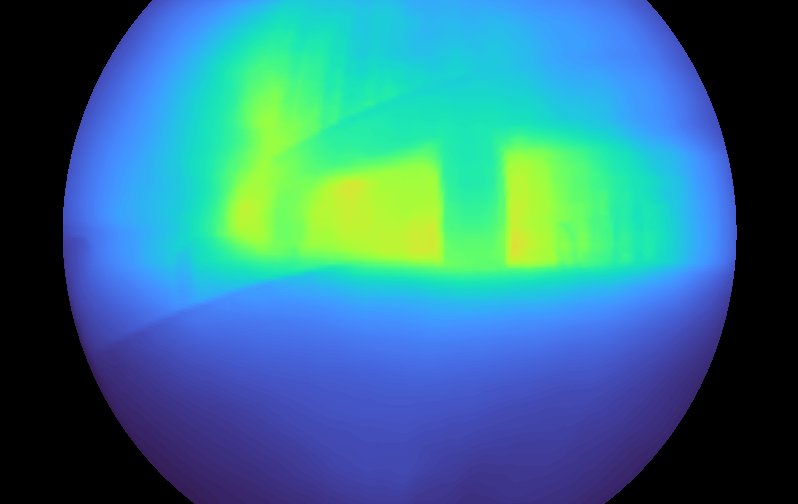
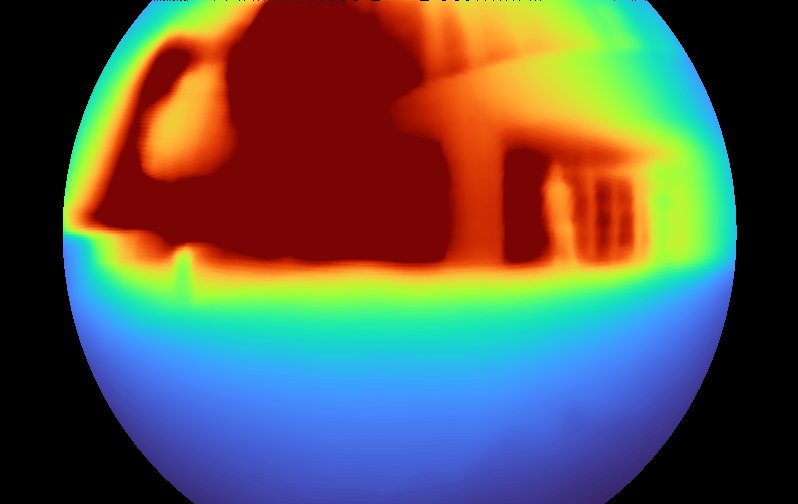
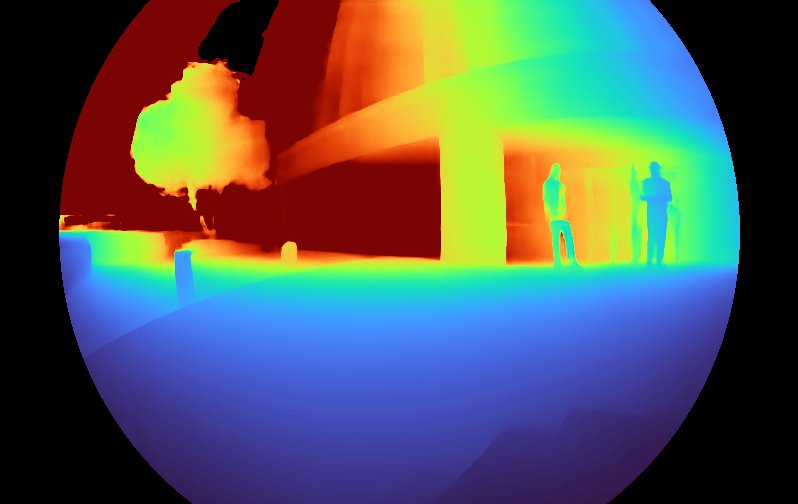
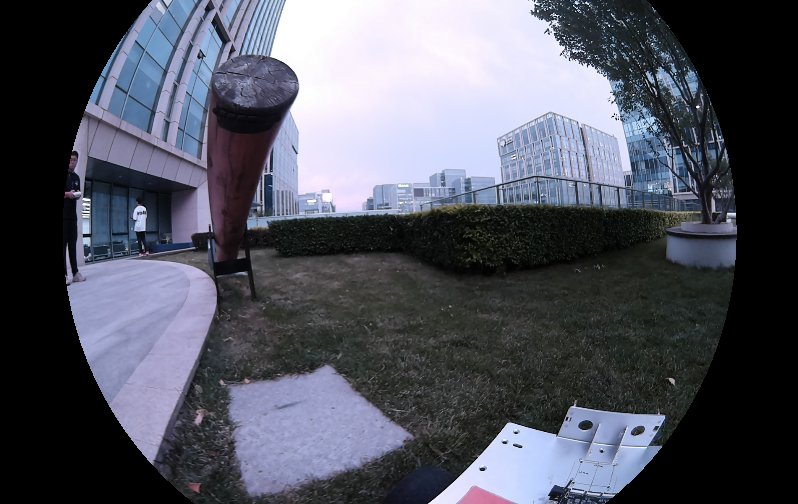
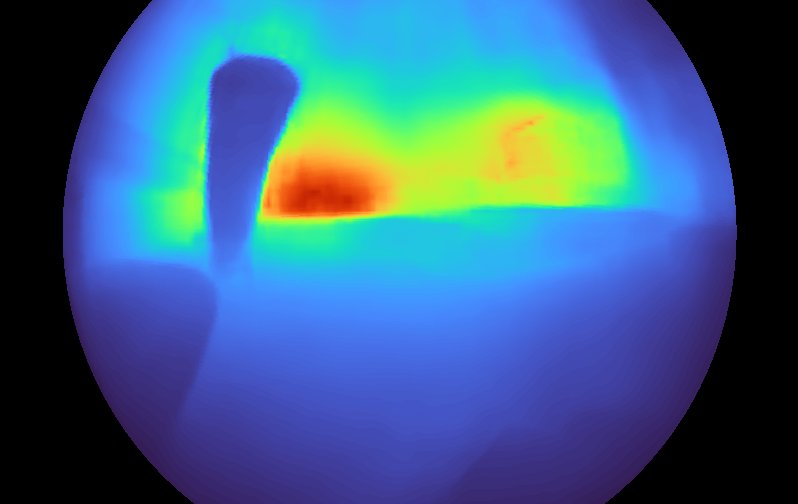
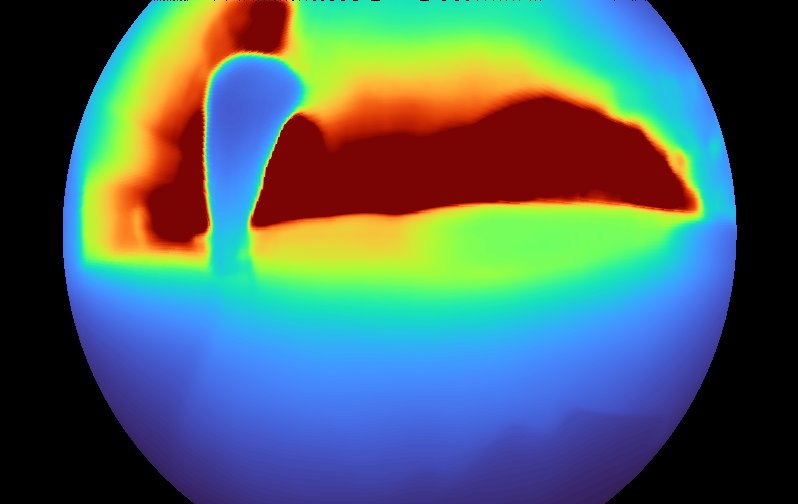
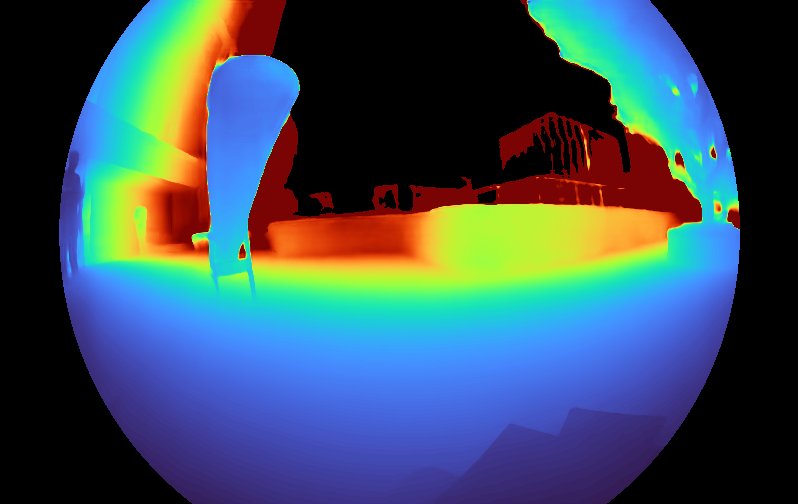
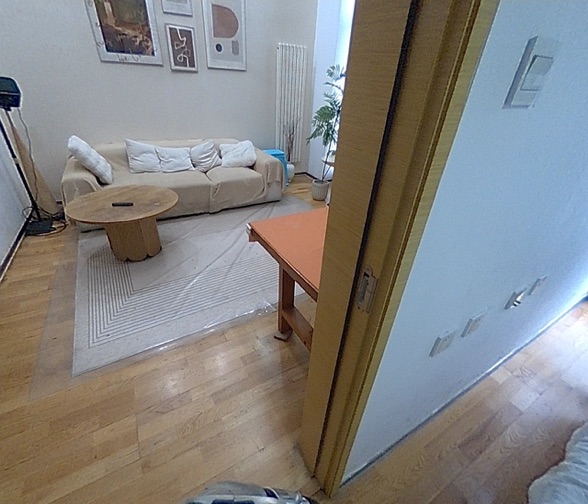
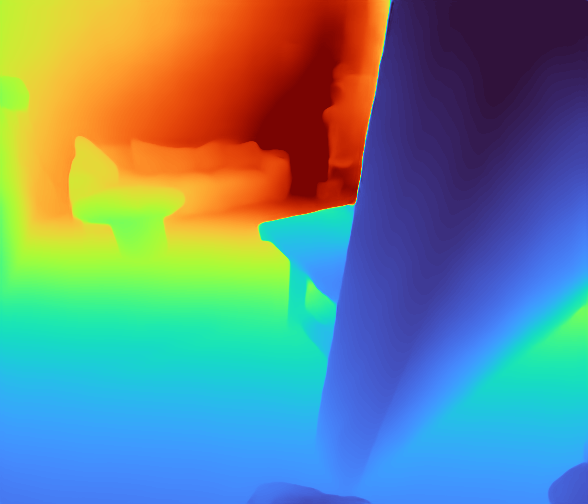
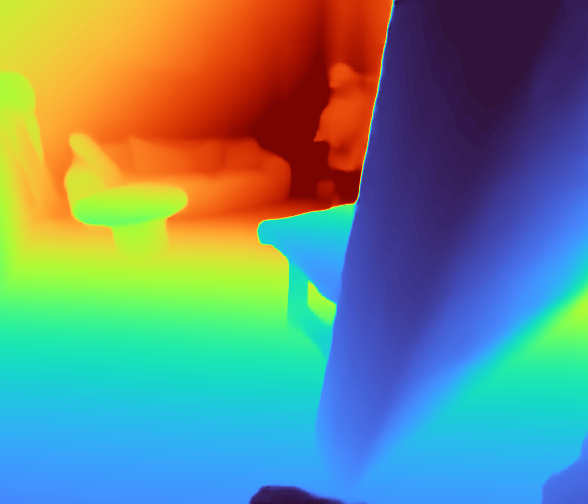
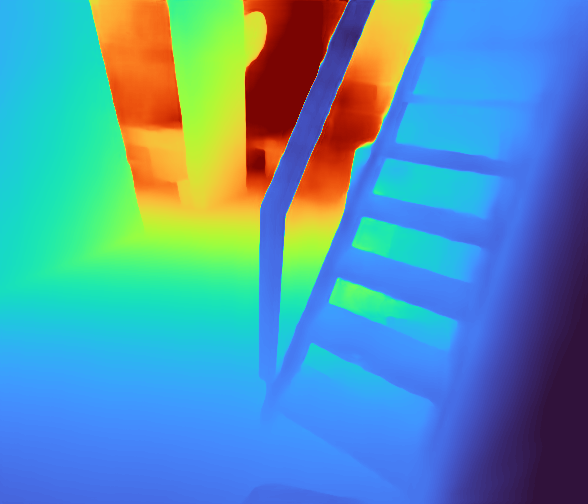
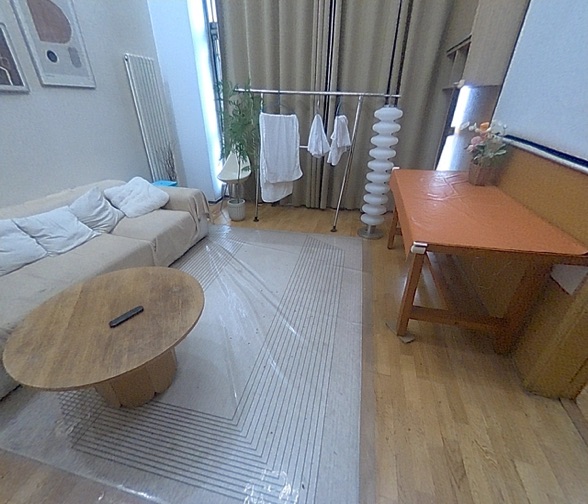
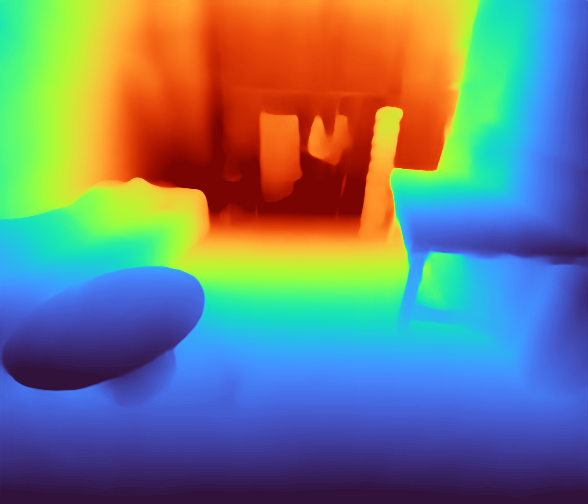
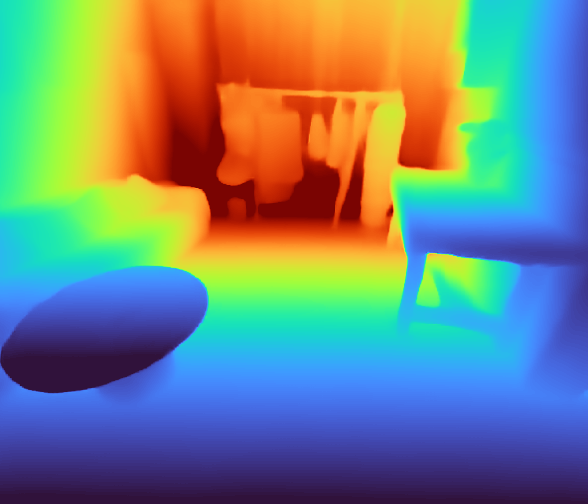
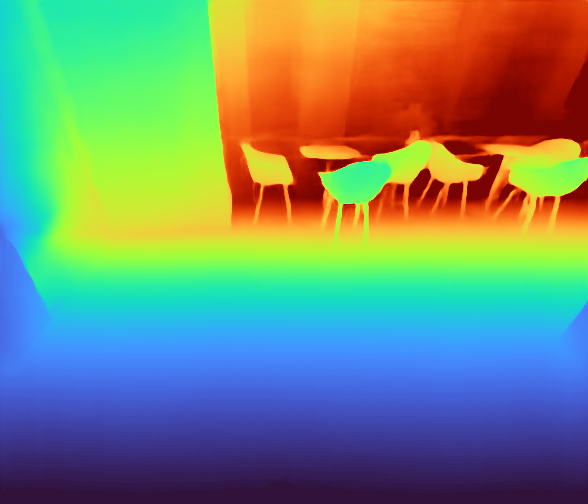
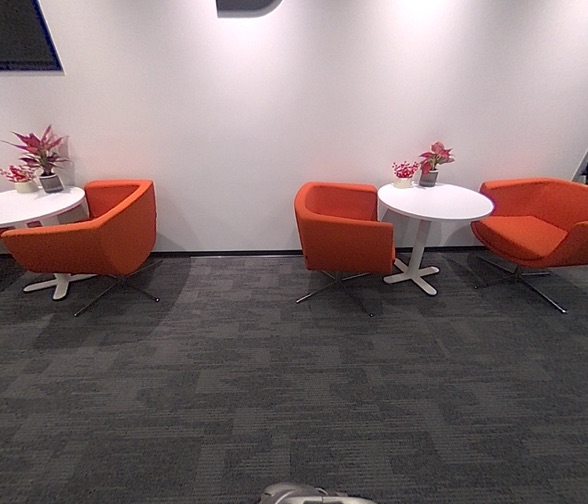
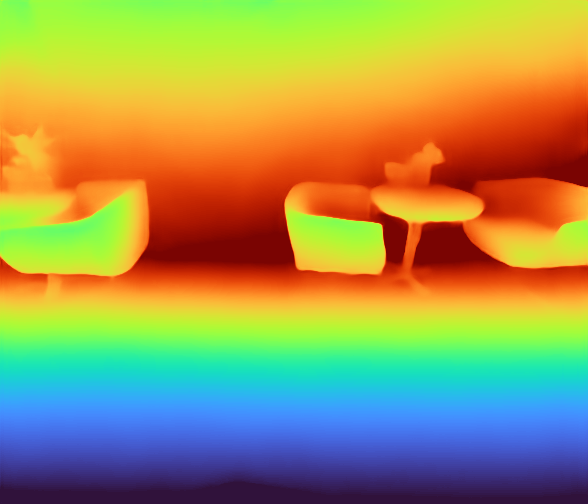
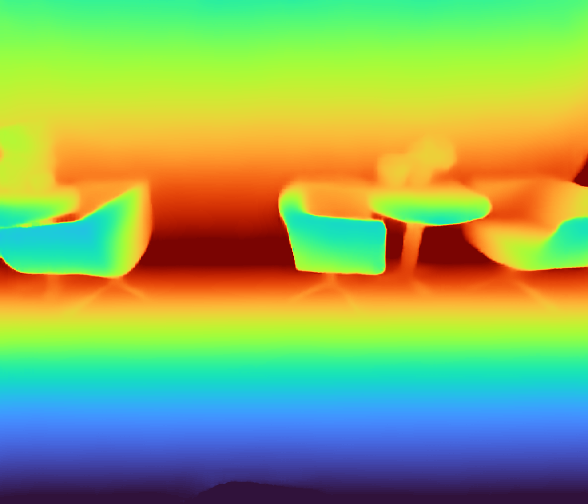
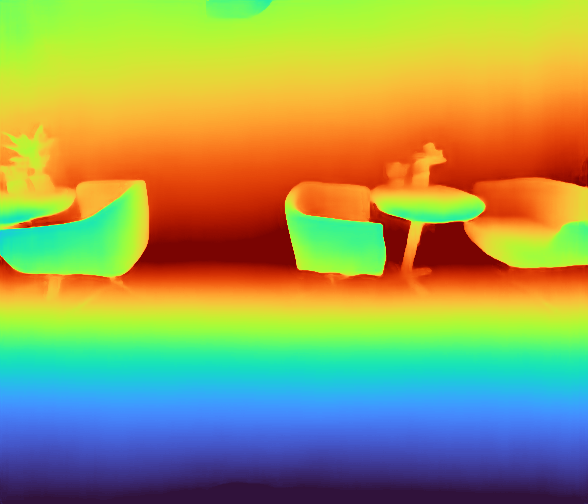
State of the art across the board. Qualitative comparisons on two real captures: a surround rig with four fisheye cameras, and a rig with six pinhole cameras.
Fisheye · Real 4-camera rig
RGB Input
DAC
UniDAC
Ours
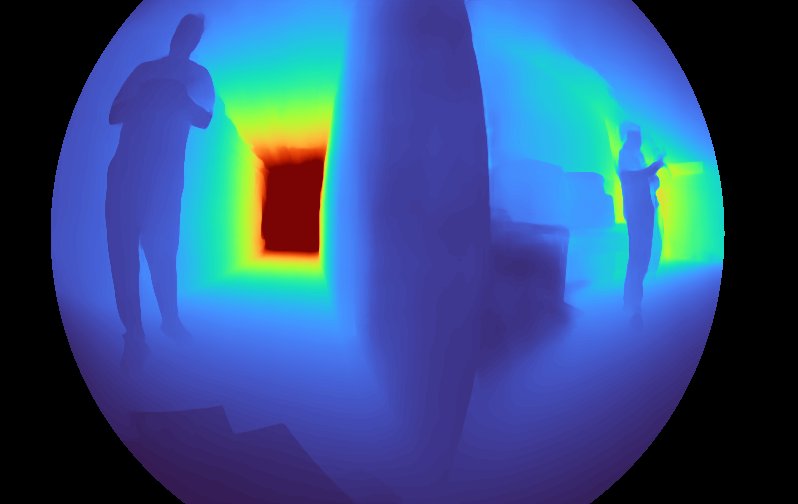
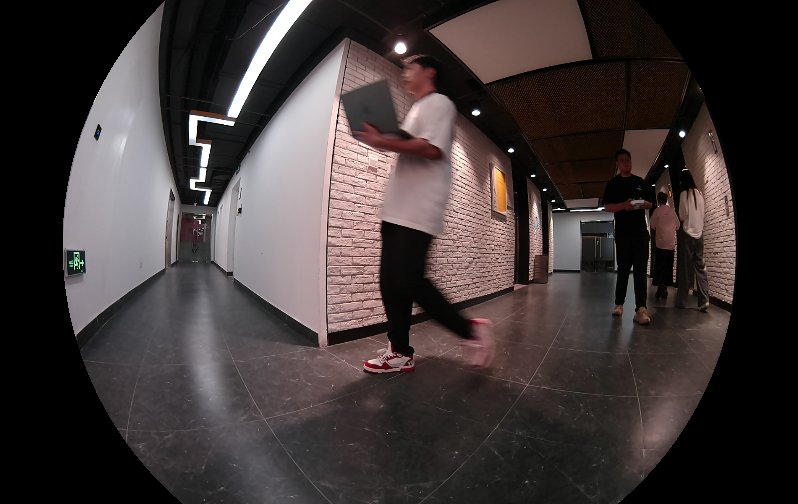
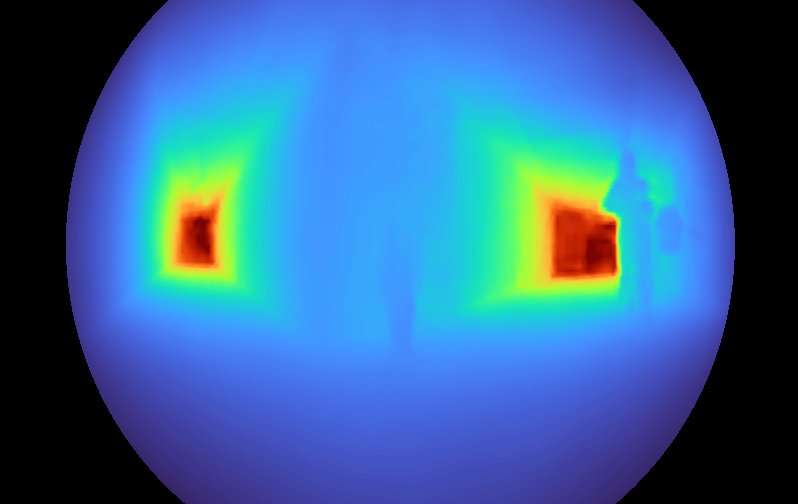
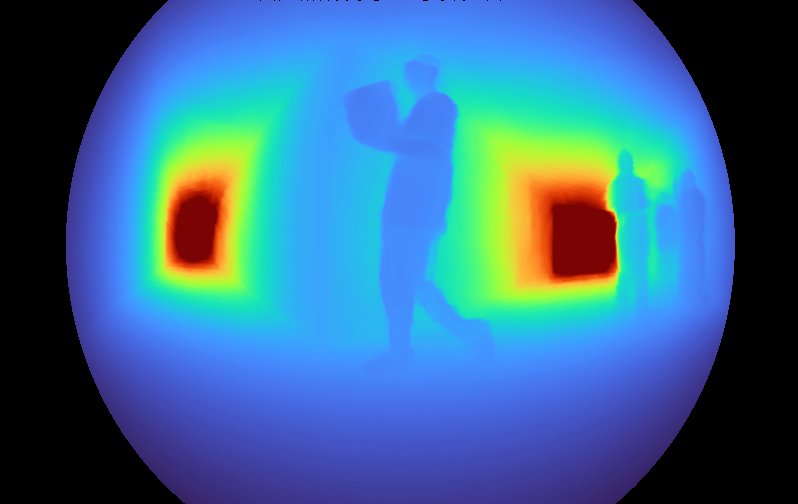
Pinhole · Real 6-camera rig
RGB Input
DepthAnything3-Small
VGGT-Omega
Ours
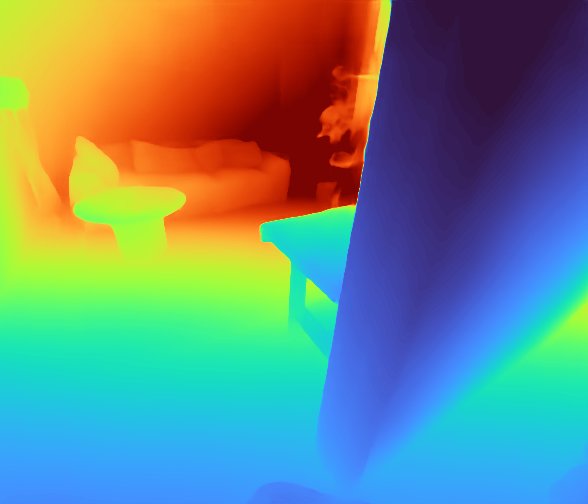
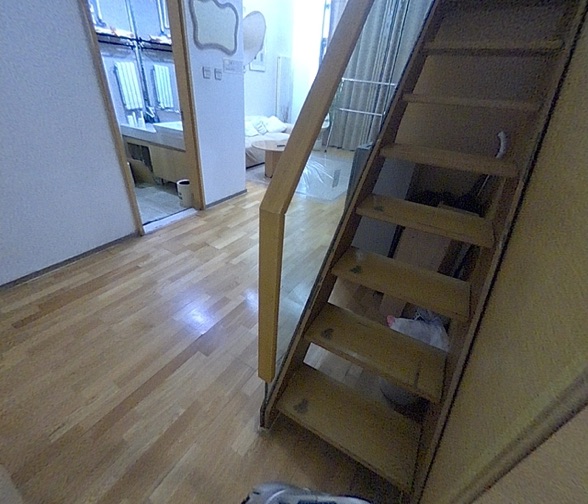
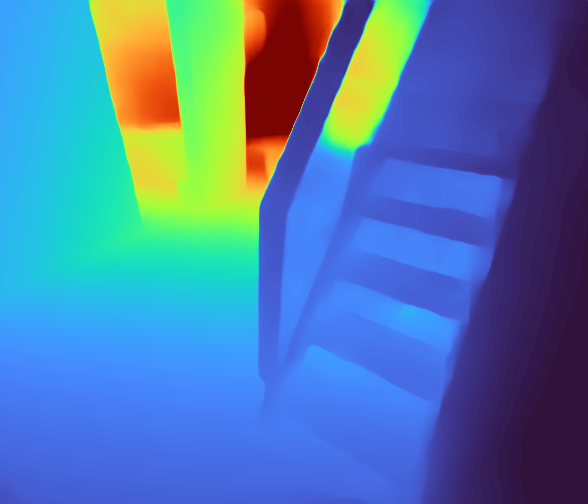
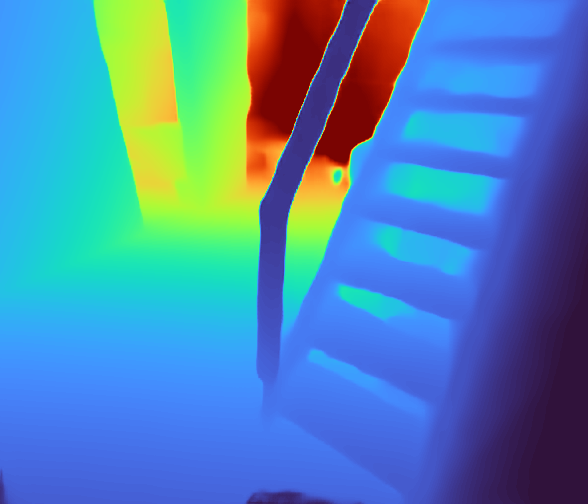
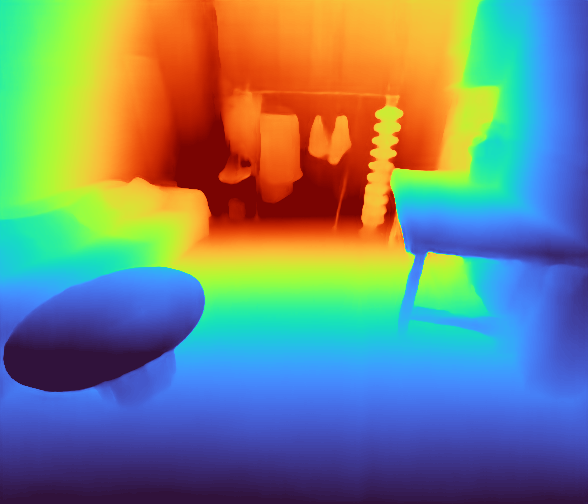
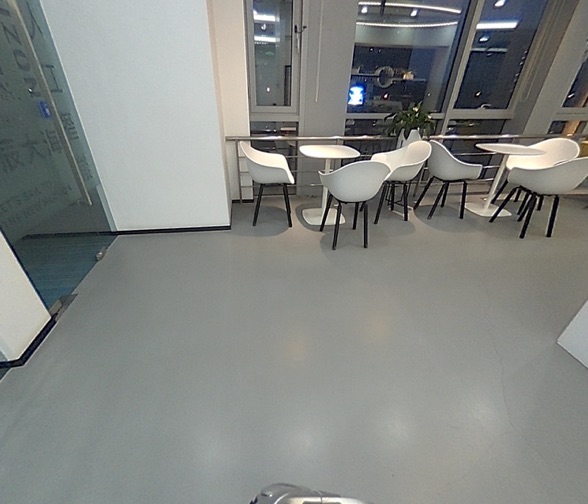
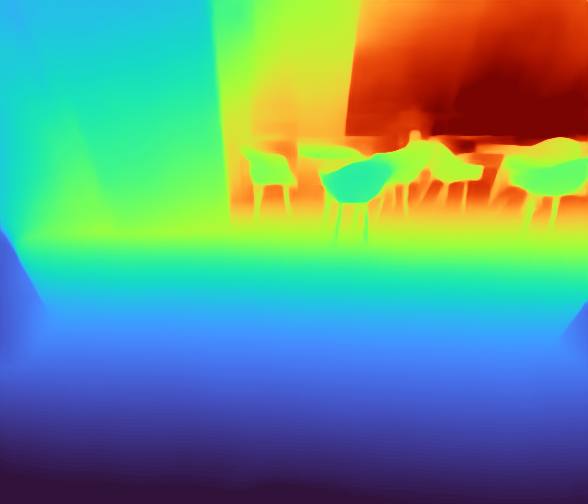
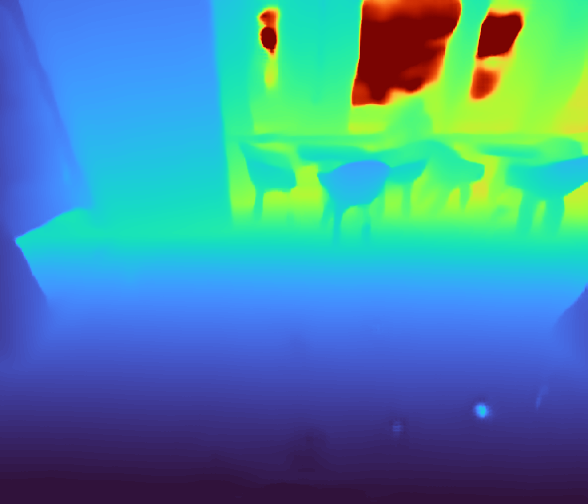
| Method | Params ↓ | Scale AbsRel ↓ | AbsRel ↓ | RMSE ↓ | δ₁ ↑ | τ₁.₀₃ ↑ | FPS ↑ |
|---|---|---|---|---|---|---|---|
| MapAnything | 1.23B | 0.3701 | 0.1746 | 2.1834 | 0.7357 | 0.1647 | 5 |
| DepthAnyCamera | 0.06B | 0.2571 | 0.2066 | 2.3981 | 0.7653 | 0.2411 | 1 |
| UniDAC | 0.36B | 0.2506 | 0.1368 | 2.6125 | 0.8156 | 0.2511 | 1 |
| X-Lens Ours | 0.04B | 0.1181 | 0.1021 | 1.5993 | 0.8982 | 0.3724 | 22 |
Heterogeneous-camera evaluation on OmniScene-Full with six input views (4 fisheye + 2 pinhole). FPS measured at 504×798. Best in gradient.
Interactive Demo
Drag to orbit fused metric point clouds predicted by X-Lens, from real 4-fisheye captures and six-camera heterogeneous scenes. Use the Measure button to click any two points and read out their true metric distance in meters, and Crop to box-select and remove regions such as the ceiling. The strip below shows the RGB inputs behind each cloud.
Point Cloud Viewer
Loading point cloud…
OmniScene Dataset
A large-scale synthetic dataset for multi-view metric depth with heterogeneous cameras, released openly on Hugging Face.
103complex scenes
564motion sequences
266Ksix-view frames
1.7M+calibrated images
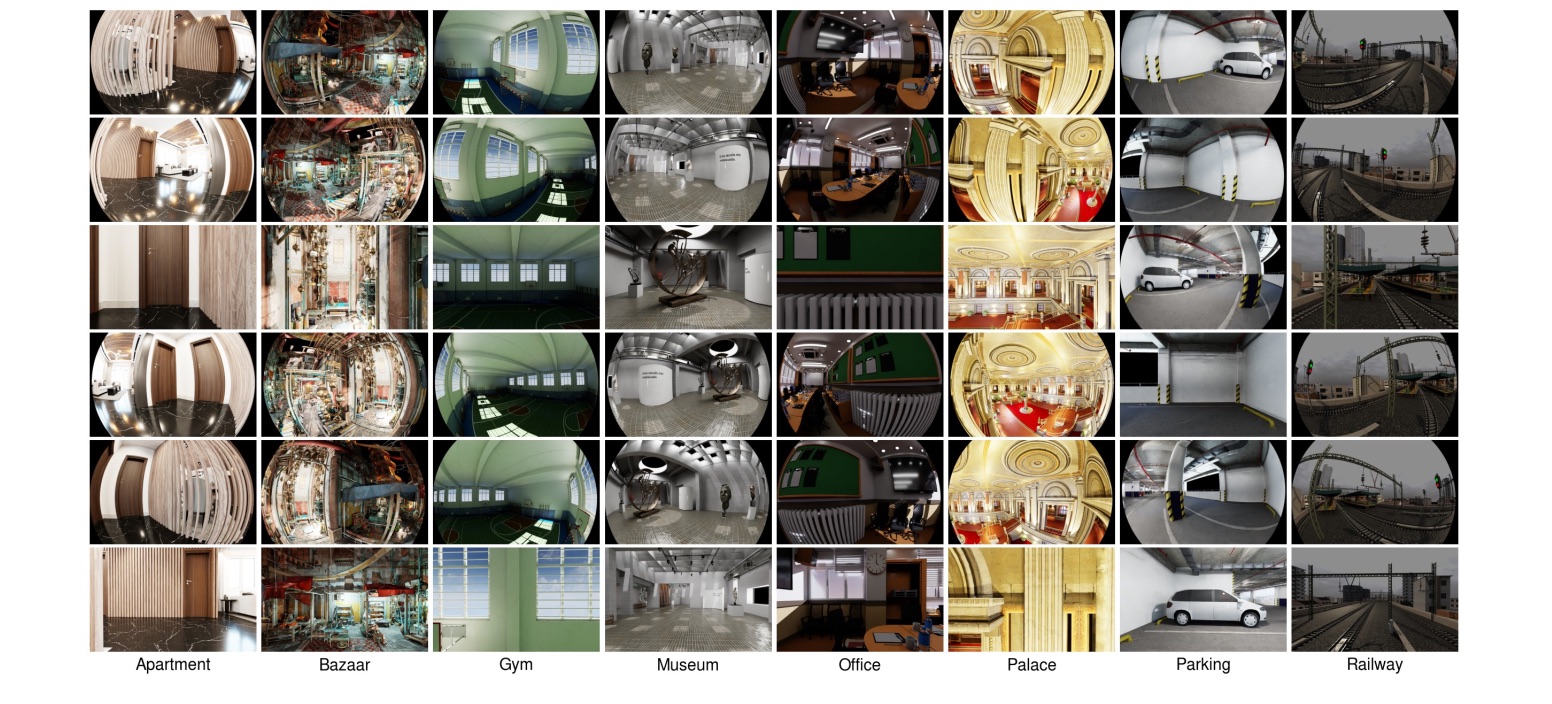
Scenes span residential, commercial, industrial, urban, and sci-fi environments built from professionally authored Kujiale and Unreal Engine assets. Every frame carries dense, noise-free metric ground truth: pixel-accurate z-depth, validity masks, sky indicators, and per-frame OpenCV-convention intrinsics and extrinsics. Validation is drawn from the training scenes, while the test set is held out on fully disjoint scenes for evaluation on unseen environments.
🤗 Download on Hugging FaceApplication in Vision-Action Model
X-Lens as a geometry-aware visual encoder for multi-view robotic manipulation.
Speed x1
Speed x1
SLAM and loco-manipulation applications: coming soon.
Citation
If X-Lens is useful in your research, please cite our paper.
@article{zhou2026xlens,
  title   = {X-Lens: Real-Time Metric Depth Estimation with Heterogeneous Cameras},
  author  = {Zhou, Heng and Liu, Shuhong and He, Yonghao and Zhang, Bohao and Fu, Fa and
             Hou, Chenhui and Hou, Xianbao and Han, Lijun and Yang, Cong and Sui, Wei},
  journal = {arXiv preprint arXiv:2607.12993},
  year    = {2026},
}
Correspondence
wei.sui@d-robotics.cc